
Choosing an Instrumentation Provider You Can Trust

Selecting the right partner for measurement and control needs affects every automated process running throughout a facility. Not every provider brings the same level of expertise or reliability to this specialized work. Understanding what separates a trustworthy partner from a risky choice helps facility managers make a more confident decision. Here is what to evaluate before signing any contract.

What to Look for in a Provider

Not sure how to evaluate different providers offering similar sounding services? Choosing a reliable instrumentation and controls Charleston SC provider comes down to specific factors worth careful consideration. Here is what matters most.

Industry Specific Experience

Different industries bring unique measurement challenges and regulatory requirements. A provider experienced primarily in food processing may lack familiarity with the specific demands of water treatment or pharmaceutical manufacturing. Asking about previous projects within your specific industry reveals whether a provider truly understands the unique challenges your facility faces daily. Relevant experience often means fewer surprises during implementation and ongoing service.

Technical Certifications and Training

Instrumentation work requires specific technical knowledge that varies significantly across different sensor types and control systems. Ask potential providers about certifications held by their technicians and ongoing training practices. Providers who invest in continuing education for their staff typically stay current on emerging technology and best practices. This commitment often translates into better recommendations and more reliable long-term service for your facility.

Response Times for Service Calls

Instrumentation failures can halt production or create safety concerns requiring immediate attention. Ask potential providers about typical response times for both scheduled maintenance and emergency situations. Providers offering unclear or vague answers about response expectations often struggle to deliver reliable service when problems actually arise. Clear commitments upfront help facility managers understand what support looks like once a partnership begins.

Calibration and Documentation Practices

Proper calibration requires careful documentation for compliance and troubleshooting purposes. Ask how a provider tracks calibration history and maintains records over time. Facilities in regulated industries especially benefit from thorough documentation supporting audits or inspections. A provider vague about their documentation process may create compliance headaches down the road that become apparent only after problems surface unexpectedly.

Long Term Partnership Potential

Instrumentation needs rarely end after initial installation. Facilities benefit from providers interested in building ongoing relationships rather than treating each interaction as a standalone transaction. Ask how a provider approaches long term maintenance planning and whether they proactively suggest improvements over time. This forward-thinking approach often signals a partner genuinely invested in your facility’s continued success.

Conclusion: What to Look for in a Provider

Choosing the right instrumentation and controls provider requires evaluating industry experience, technical certifications, and response commitments carefully. Documentation practices and long-term partnership potential round out important considerations. Taking time to evaluate these factors thoroughly helps facility managers select a provider suited for reliable, lasting support across their operations.
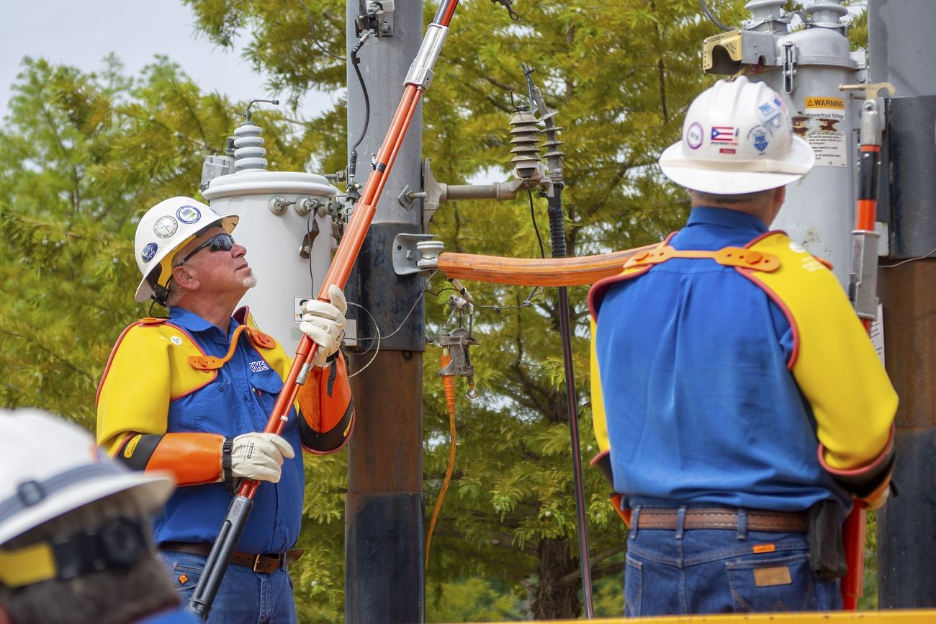
Top Certifications and Licenses Every Professional Electrician Should Have 

Becoming a professional electrician involves more than just technical skills; it requires formal education, hands-on training, and the right certifications and licenses to ensure safety, competency, and adherence to local regulations. Whether you’re hiring an electrician for a home project or considering a career in the trade, understanding the key certifications and licenses is essential.  

Certificates and Licenses an Electrician Should Have 

In this article, we’ll explore the most important credentials all professional electricians Charleston SC should have. 

1. Journeyman Electrician License 

The Journeyman Electrician license is typically the first major certification an electrician earns after completing an apprenticeship. To become a journeyman, electricians must: 

  • Complete a formal apprenticeship program (usually 4-5 years of on-the-job training and classroom instruction) 
  • Pass a comprehensive exam covering topics like electrical codes, wiring, circuits, and safety protocols 

A journeyman license allows electricians to work independently, but they may not be eligible to supervise others or run their own business without further qualifications. 

2. Master Electrician License 

The Master Electrician license is the next step up from journeyman status and demonstrates an advanced level of expertise. This license is required for electricians who wish to: 

  • Supervise journeymen and apprentices 
  • Own and operate their own electrical contracting business 
  • Design and install complex electrical systems 

To earn a master electrician license, candidates typically need to have several years of experience as a journeyman and must pass a challenging exam that tests both practical and theoretical knowledge of the trade. Master electricians are responsible for ensuring that all work meets local codes and regulations, making them crucial for large-scale or high-risk projects. 

3. National Electrical Code (NEC) Certification 

The National Electrical Code (NEC) certification demonstrates an electrician’s knowledge of the national standards for electrical installations. The NEC is regularly updated to reflect changes in technology and safety standards, so electricians must stay current with these changes. While not a formal license, ongoing education and understanding of NEC standards are critical for maintaining safety and compliance in the field. 

Electricians often need to complete continuing education courses to stay familiar with updates to the NEC and maintain their license. For example, electricians may be required to complete a certain number of continuing education hours each year. 

4. Electrical Contractor License 

For electricians who want to start their own business, the Electrical Contractor License is essential. This license allows the electrician to legally bid on electrical projects, hire other electricians, and operate as a contracting business. Electrical contractors must demonstrate not only technical expertise but also business knowledge, including an understanding of insurance, liability, and contracts. 

5. OSHA Certification 

An OSHA (Occupational Safety and Health Administration) certification is vital for electricians, particularly when working in hazardous environments such as construction sites or industrial facilities. The certification ensures that electricians are familiar with safety protocols and regulations designed to minimize the risk of accidents and injuries on the job. 

Conclusion: Certificates and Licenses an Electrician Should Have 

Whether you’re hiring an electrician for home repairs or working with one on a commercial project, it’s essential to verify that they hold the necessary certifications and licenses. These credentials not only ensure that the electrician has the required skills but also that they adhere to safety standards and industry regulations. For electricians, obtaining these certifications is a commitment to professional growth, and it helps ensure that clients receive the highest quality service.