
Water damage has a timeline that works against every homeowner it affects. What begins as a burst pipe or an appliance failure becomes something far more serious with every hour that passes without professional intervention. Understanding why speed matters so profoundly in water damage situations is the first step toward protecting a home when the unexpected strikes.
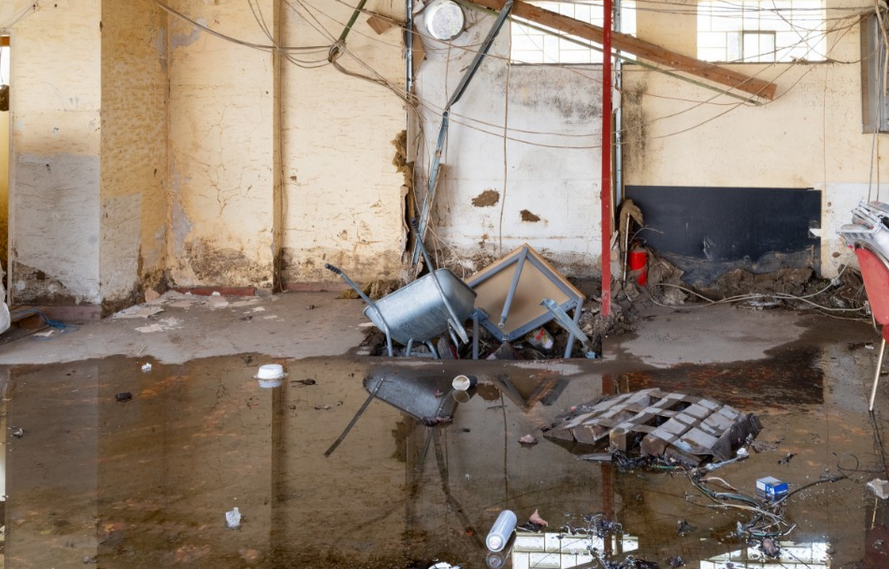
Acting Fast Determines How Much Can Be Saved
When water enters a home uninvited, the clock starts immediately and does not pause. Homeowners who respond without delay trust professional water damage restoration Marietta GA specialists to arrive quickly, assess the full extent of the damage, and begin the extraction and drying process before secondary damage compounds an already serious situation.
Water Migrates Further and Faster Than Most Homeowners Expect
To begin with, water released inside a structure does not stay where it lands. It follows gravity and capillary action simultaneously, spreading horizontally across flooring, wicking vertically up drywall, and saturating insulation, subfloor materials, and framing before the visible surface damage provides any indication of how far the moisture has actually traveled. Professional restoration teams use thermal imaging and moisture meters to map the true extent of saturation rather than relying on visible evidence alone, ensuring that drying efforts address every affected area rather than leaving hidden moisture pockets that continue causing damage long after surface materials appear dry.
Mold Begins Developing Within 24 to 48 Hours of Exposure
Furthermore, the window between water intrusion and the onset of mold growth is remarkably narrow. Under typical indoor conditions, mold spores present in every home environment begin colonizing wet organic materials within one to two days of sustained moisture exposure. Drywall, wood framing, insulation, and subfloor materials all provide ideal growing conditions once saturated. Mold remediation adds significant cost and complexity to a restoration project that properly executed emergency drying could have prevented entirely.
Structural Materials Have Different Drying Requirements and Tolerances
Another dimension of water damage restoration that separates professional results from incomplete ones is the technical understanding of how different building materials absorb, retain, and release moisture under controlled drying conditions. Hardwood flooring requires carefully managed drying rates to prevent cupping and warping that ruins an otherwise salvageable surface. Plaster behaves differently than drywall under comparable moisture loads. Engineered wood products have specific drying tolerances that determine whether they can be saved or must be replaced.
Documentation During Restoration Supports the Insurance Process
Finally, professional water damage restoration conducted by an experienced contractor produces the documentation that makes the insurance claims process significantly more straightforward for the homeowner. Moisture readings recorded before, during, and after drying, photographic evidence of affected areas, itemized records of damaged materials, and written drying logs all provide the objective evidence that insurance adjusters require to process claims accurately and efficiently.
Conclusion: Acting Fast Determines How Much Can Be Saved
To wrap it all up, water damage restoration is a race against a timeline that favors decisive and professional action over hesitation and improvisation. Moisture migration, rapid mold development, material-specific drying requirements, and insurance documentation demands all converge to make the quality and speed of the professional response the single most important factor in how much of a home can ultimately be saved. When water enters where it should not be, the right call made immediately is the one that protects everything the slower response would have sacrificed.
Recent Comments